An HDB extension of stay might solve your timeline problem, but if it is handled poorly, it can cost you thousands in lost negotiation power.
This guide breaks down exactly how it works, the risks most sellers overlook, and how to structure it properly.
An HDB extension of stay allows the seller to remain in the flat after the resale completion, typically for up to 3 months.
Instead of moving out immediately, you temporarily “rent back” the flat from the buyer, often rent-free, depending on negotiation.
Important: This is private agreement, which means your protection depends on how well you structure the agreement.
This is where many sellers make costly mistakes.
Buyers may:
Requesting an extension of stay can reduce the number of interested buyers. This is because not all buyers are able or willing to accommodate the arrangement.
Some buyers may choose not to view listings that require an extension of stay due to:
They are unable to move into the flat immediately after completion.
Buyers who are also selling their own flat may face difficulties aligning both transactions.
If they are currently renting, they may need to extend their lease, resulting in extra expenses.
This is why not all buyers are willing to accommodate an extension of stay, which can reduce your overall buyer pool.
Since it's a private arrangement:
One of the biggest concerns sellers have is:
“What if the buyer changes their mind?”
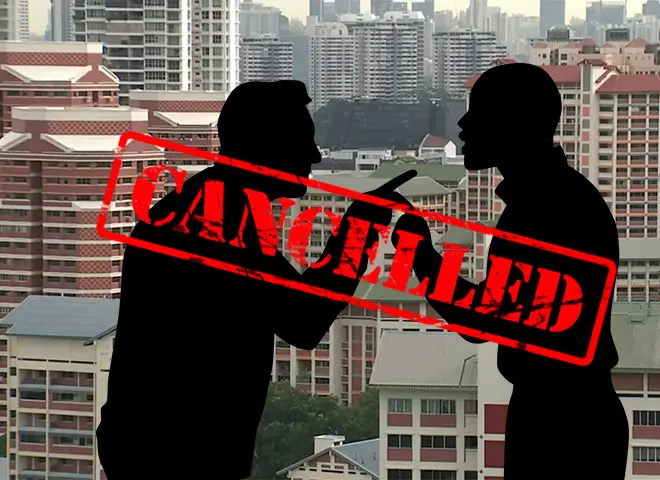
As the extension of stay is a private agreement, HDB will not intervene in the event of a dispute. This can pose a serious risk if the terms are not clearly defined and properly agreed upon.
If the extension of stay is not properly agreed and documented:
The safest way to avoid disputes is to ensure:
A well-structured agreement makes the arrangement binding and enforceable, significantly reducing the risk of last-minute issues.
This is the most important part. A well-structured agreement should include:
Duration
Payment terms
Expenses during the extension stay
Early termination clause
Condition of flat
Many sellers unknowingly hurt their own deal:
❌ Requesting an extension of stay only after issuing the Option to Purchase (OTP)
❌ Not documenting terms clearly
❌ Agreeing without negotiation strategy
❌ Assuming “standard practice” protects you
Pros:
Cons:
The key is not whether you use it but how you position and negotiate it.
Most sellers only focus on: “I require an extension of stay.”
But the real question is: “How do I structure it without losing money?”
A poorly handled extension can:
We don’t just help you sell your flat. We help you structure your deal strategically.
We guide you on:
An extension of stay must be mutually agreed upon before you issue Option to Purchase (OTP) for your existing flat.
Any request made after key stages of the transaction may not be accepted by the buyer.
An extension of stay is generally considered only when there is a clear and confirmed next housing arrangement. This may include, for example, a confirmed BTO key or new private property key collection notice or having exercised the Option to Purchase (OTP) for your next home.
Yes. An extension of stay is a private agreement between buyer and seller.
If terms are not properly documented or agreed in writing, the buyer may choose not to proceed or may dispute the arrangement. Proper documentation is essential to reduce the risk of misunderstanding.
The outcome depends on how clearly the extension of stay terms were structured and documented.
Where a properly drafted agreement exists, both parties are expected to adhere to the agreed terms. In the event of a dispute, a property professional may assist in facilitating communication and reaching an amicable resolution.
No. There is currently no standardised HDB template specifically for extension of stay arrangements in resale transactions.
As such, terms are typically negotiated between both parties and documented separately as part of the transaction agreement.
Sellers should be aware that an extension of stay may:
Proper planning and documentation are recommended to mitigate these risks.
If you don’t handle it correctly, you risk reducing your buyer pool and weakening your position
Speak to us today and structure your sale with confidence© 2026 - All rights reserved, Home123.sg